Thursday, October 22, 2026

Arms Control and Disarmament: Treaties, International Security, and Global Peace


Arms Control and Disarmament: Treaties, International Security, and Global Peace

Arms control and disarmament are important subjects in international relations, diplomacy, and global security. Governments negotiate agreements to reduce the risks associated with weapons, improve transparency, prevent arms races, and strengthen international stability.

Although the terms arms control and disarmament are closely related, they do not mean exactly the same thing. Understanding their differences helps students, researchers, policymakers, and general readers better understand international security and the role of treaties in world affairs.

This article introduces the fundamental concepts of arms control and disarmament, examines the role of international agreements, and provides useful directions for further reading.

1. What Is Arms Control?

Arms control refers to agreements, policies, and measures designed to regulate weapons, military capabilities, or the ways in which states develop, possess, deploy, and use certain weapons.

Arms control does not necessarily require countries to eliminate their weapons. Instead, agreements may establish limits, verification procedures, information-sharing arrangements, or rules intended to reduce the risk of conflict.

Examples of arms control measures include:

  • Limits on particular categories of weapons.
  • Agreements requiring notification of specified military activities.
  • Information exchanges concerning military forces or equipment.
  • Inspection and verification procedures.
  • Measures designed to reduce the risk of accidental escalation.
  • Restrictions on the testing, deployment, or transfer of certain weapons.

The specific obligations depend on each agreement. Some arrangements are legally binding treaties, while others take the form of political commitments or confidence-building measures.

Explore further reading: Books on arms control and international security can help readers understand the history, objectives, and limitations of these agreements.

[ARMS CONTROL AND INTERNATIONAL SECURITY]

(paid link)

2. What Is Disarmament?

Disarmament generally refers to the reduction or elimination of weapons, military capabilities, or particular categories of armaments.

It may involve the destruction of weapons, the removal of weapons from service, restrictions on production, or commitments to eliminate specific weapon categories.

Disarmament can take place through negotiated international agreements or through national decisions. Its scope may be global, regional, or limited to particular countries.

Examples include efforts to eliminate chemical weapons, prohibit biological weapons, reduce nuclear arsenals, and remove anti-personnel mines under applicable international agreements.

However, disarmament does not always mean the complete elimination of all military forces. Many initiatives focus on particular weapons or capabilities while countries continue to maintain armed forces for national defense.

Arms control and disarmament can also complement one another. Arms control may establish limits and verification arrangements, while disarmament measures may require the reduction or elimination of specified weapons.

[Disarmament in an Age of Militarism

] https://link.amazon/B0dVG8RbS

(paid link)

3. Nuclear Arms Control and Strategic Stability

Nuclear weapons present distinctive challenges because their destructive potential can have consequences far beyond the battlefield.

Nuclear arms control seeks to manage risks associated with nuclear arsenals, strategic competition, and the possibility of nuclear conflict.

Depending on the agreement, measures may address the number or types of weapons, delivery systems, testing, transparency, or verification.

Strategic stability is an important concept in this field. It concerns whether the relationship between states creates incentives to avoid a nuclear conflict or a destabilizing arms race.

Analysts also examine deterrence, crisis communication, early-warning systems, and the danger of miscalculation.

Nuclear arms control has evolved through bilateral agreements, multilateral negotiations, international institutions, and national policy decisions. The effectiveness of any particular arrangement depends on its terms, participating states, verification provisions, and the wider political environment.

Readers studying this subject should distinguish between treaties currently in force, agreements that have expired, and proposals that remain under negotiation.

[NUCLEAR ARMS CONTROL AND NONPROLIFERATION] 

(paid link)

4. Chemical and Biological Weapons

Chemical and biological weapons raise serious humanitarian, public-health, and international-security concerns.

The international community has established agreements intended to prohibit or restrict these categories of weapons.

The Chemical Weapons Convention prohibits the development, production, acquisition, stockpiling, retention, transfer, and use of chemical weapons, subject to the treaty's provisions. It also establishes verification arrangements and an international organization to oversee implementation.

The Biological Weapons Convention prohibits the development, production, acquisition, and stockpiling of biological and toxin weapons, subject to its terms. Its implementation and verification challenges differ from those associated with the Chemical Weapons Convention.

International cooperation is important for strengthening compliance, building confidence, and addressing concerns about prohibited activities.

Studying these agreements also illustrates the relationship between international law, scientific progress, public health, and global security.

For readers interested in international law, books on weapons conventions and humanitarian disarmament provide useful background on how states develop and implement international obligations.

[ INTERNATIONAL ARMS TREATIES ANDINTERNATIONAL LAW BOOKS]

(paid link)

5. Conventional Arms Control and Confidence-Building Measures

Not all arms control focuses on nuclear, chemical, or biological weapons. Conventional arms control addresses other military capabilities and activities.

Depending on the region and agreement, conventional arms control may involve military equipment, troop deployments, exercises, inspections, or the exchange of information.

Confidence-building measures aim to reduce uncertainty and the risk that one state's actions will be misinterpreted by another.

Examples may include:

  • Advance notification of specified military exercises.
  • Exchanges of information about armed forces.
  • Observation arrangements for agreed military activities.
  • Communication channels between military authorities.
  • Agreements concerning certain weapons or deployments.

Such measures do not eliminate every source of tension. Nevertheless, transparency and communication can help governments better understand each other's activities and reduce the likelihood of unintended escalation.

Regional arrangements may differ substantially because they reflect local security concerns, historical experiences, and political relationships.

[ CONVENTIONAL ARMS CONTROL AND MILITARYCONFIDENCE-BUILDING ]

(paid link)

6. Verification, Compliance, and International Cooperation

An international agreement is more effective when participating states understand their obligations and have credible ways to assess implementation.

Verification refers to procedures used to establish whether relevant obligations are being fulfilled. Depending on the agreement, verification may involve declarations, inspections, monitoring, technical measurements, information exchanges, or other agreed procedures.

Compliance concerns whether a state is meeting its legal or political commitments.

Verification is not always simple. States may disagree about evidence, access, interpretation, or the meaning of particular obligations. Technical limitations and political tensions can also complicate implementation.

Effective arrangements therefore require clear rules, reliable information, appropriate institutions, and procedures for addressing concerns.

International organizations can support cooperation by providing technical expertise, facilitating information exchange, and helping participating states implement agreements.

It is important to distinguish between allegations of noncompliance, findings made under an agreement's procedures, and independently established facts.

7. Why Arms Control Matters in International Relations

Arms control and disarmament are closely connected to wider debates about national security, international law, diplomacy, and peace.

Supporters argue that appropriate agreements can reduce military risks, improve transparency, limit certain arms races, and create opportunities for cooperation.

Critics may question whether agreements are sufficiently verifiable, whether all parties will comply, or whether restrictions could create new security vulnerabilities.

These debates show that arms control is not simply a technical matter. It involves political trust, competing national interests, strategic calculations, legal obligations, and public accountability.

A careful study of arms control should therefore consider both the intended benefits of an agreement and the practical difficulties of implementing it.

8. A Reading Guide for Students and Researchers

Readers who want to study arms control systematically may find it useful to organize their reading into several areas:

Foundations of international security: Learn about deterrence, military strategy, international institutions, and the causes of conflict.

Arms control and disarmament: Study the history of negotiations, the design of agreements, and the political conditions that make cooperation possible.

International law: Examine treaty interpretation, state obligations, verification arrangements, and the legal frameworks governing particular weapons.

Nuclear nonproliferation: Explore efforts to prevent the spread of nuclear weapons and the relationship between nonproliferation, disarmament, and peaceful nuclear activities.

Humanitarian disarmament: Learn about international efforts concerning weapons that cause particular humanitarian risks.

Regional security: Compare how countries in different regions approach arms control in light of their own histories and security concerns.

When choosing books, readers should check the publication date and edition, particularly for subjects affected by recent treaties, geopolitical developments, and changes in national policy.

Conclusion: Building Knowledge for a More Secure World

Arms control and disarmament remain important subjects for anyone seeking to understand international security and the pursuit of global peace.

Although agreements cannot remove every source of conflict, they can establish rules, create channels for cooperation, and provide mechanisms for managing particular military risks.

A sound understanding of these subjects requires knowledge of international relations, treaty law, verification, national security, and the historical circumstances in which agreements are negotiated.

The study of arms control encourages informed debate about how governments can protect their security while reducing the risks of conflict and strengthening international cooperation.


Affiliate Disclosure

As an Amazon Associate I earn from qualifying purchases.

Some links in this article are affiliate links. If you purchase an eligible product through these links, this website may earn a commission at no additional cost to you.


Understanding U.S. Foreign Policy: Essential Concepts, Strategy, and Diplomacy


Understanding U.S. Foreign Policy: Essential Concepts, Strategy, and Diplomacy

The foreign policy of the United States has a significant influence on international relations, global security, international trade, and diplomatic cooperation. Decisions made by American leaders can affect countries across Asia, Europe, Africa, the Middle East, and the Americas.

For students, researchers, educators, and readers interested in world affairs, understanding U.S. foreign policy is an important step toward understanding modern international politics.

This article introduces key concepts in American foreign policy, explains the institutions involved in making foreign policy decisions, and recommends useful reading topics for those who want to explore the subject further.

1. What Is U.S. Foreign Policy?

U.S. foreign policy refers to the principles, objectives, and actions through which the United States manages its relationships with other countries and international organizations.

Its major concerns include national security, diplomacy, international trade, economic cooperation, human rights, technological competition, and global stability.

Foreign policy is not determined by a single person or institution. It develops through interactions among the president, Congress, government departments, intelligence agencies, the military, diplomats, interest groups, businesses, the media, and the American public.

To understand American foreign policy, readers should examine both the stated objectives of policymakers and the political, economic, historical, and strategic circumstances surrounding their decisions.

Recommended reading: Introductory books on American foreign policy can help readers understand the evolution of U.S. international engagement and the debates that shape its direction.

The Israel Lobby and U.S. Foreign Policy

(Affiliate link)

2. The Role of the President and Congress

The U.S. Constitution distributes foreign policy responsibilities among different branches of government.

The President

The president plays a central role in directing American diplomacy, negotiating with foreign governments, appointing ambassadors subject to Senate confirmation, and serving as commander in chief of the armed forces.

Presidents also influence foreign policy through executive decisions, international negotiations, and their administration's national security priorities. However, presidential authority operates within constitutional, legal, political, and practical constraints.

Congress

Congress influences foreign policy through legislation, appropriations, oversight, and other constitutional powers.

The Senate participates in the treaty process and confirms many senior executive and diplomatic appointments. Congress also debates international agreements, sanctions, defense spending, foreign assistance, and other policies affecting America's relationships with the world.

Disagreements between the president and Congress can shape the timing, scope, and implementation of foreign policy initiatives.

Understanding this relationship is essential for explaining why American foreign policy sometimes changes between administrations or encounters domestic political obstacles.

TheConstitution of the United States of America

(Affiliate link)

3. Diplomacy and the U.S. Department of State

Diplomacy is one of the principal instruments of American foreign policy. It involves communication, negotiation, representation, and cooperation between governments.

The U.S. Department of State conducts much of the country's civilian diplomatic work. American diplomats represent the United States abroad, communicate with foreign officials, report on political and economic developments, assist American citizens overseas, and help implement foreign policy objectives.

Embassies and consulates also provide important channels for maintaining relationships with other countries.

Diplomacy can help governments manage disagreements, negotiate agreements, respond to international crises, and pursue shared interests without resorting to force.

For readers interested in diplomatic careers or the practical work of foreign affairs, books about the U.S. Foreign Service, embassy operations, and international negotiation can provide valuable background.

Insidea U.S. Embassy: Diplomacy at Work,

(Affiliate link)

4. National Security and International Relations

National security is another major consideration in U.S. foreign policy. American policymakers assess potential threats, maintain military capabilities, cooperate with allies, and participate in international security arrangements.

Security policy may involve conventional military forces, intelligence, cybersecurity, arms control, counterterrorism, economic security, and the protection of critical infrastructure.

The United States also maintains alliances and partnerships with countries in different regions. These relationships can support defense cooperation, intelligence sharing, joint training, diplomatic coordination, and responses to shared challenges.

However, national security decisions frequently involve difficult trade-offs. Policymakers may have to weigh immediate security concerns against financial costs, diplomatic consequences, international law, public opinion, and the risk of escalation.

Books on international security and strategic studies can help readers understand how states assess threats and make decisions in an uncertain international environment.

[INTERNATIONAL SECURITY AND STRATEGIC STUDIES ]

(Affiliate link)

5. Economic Policy, Trade, and Sanctions

Economic considerations are closely connected to American foreign policy.

The United States uses trade negotiations, economic partnerships, development assistance, financial measures, and sanctions as instruments of international engagement.

Trade policies can influence relations with allies and competitors, affect global supply chains, and shape access to markets and strategic technologies.

Economic sanctions may be used to respond to perceived threats or to pressure governments, organizations, and individuals to change particular behavior. Their effects depend on how they are designed, implemented, enforced, and supported by other countries.

Foreign assistance is another instrument through which the United States pursues humanitarian, economic, development, and strategic objectives.

These policies can generate debate over their effectiveness, their costs, their effects on ordinary people, and their long-term consequences for international relations.

Readers interested in this subject may benefit from studying international political economy, global trade, economic diplomacy, and the history of sanctions.

GlobalPolitical Economy: Understanding the International Economic Order

] https://link.amazon/B0h8MHK84

(Affiliate link)

6. How to Study U.S. Foreign Policy Effectively

Studying U.S. foreign policy requires more than following daily news headlines. A systematic approach can help readers distinguish immediate events from long-term strategic developments.

Consider these practical steps:

  1. Learn the basic terminology. Understand concepts such as deterrence, diplomacy, sanctions, alliances, strategic competition, and multilateralism.
  2. Study the constitutional framework. Examine the respective roles of the president, Congress, the courts, and relevant executive departments.
  3. Understand historical context. Major foreign policy decisions are often shaped by earlier conflicts, agreements, political traditions, and changes in the international system.
  4. Compare different perspectives. Read arguments from scholars with different theoretical approaches and policy positions.
  5. Consult primary sources. Presidential speeches, official policy documents, congressional reports, and government publications can help establish what officials actually said or did.
  6. Check independent analysis. Academic research and reputable international affairs publications can provide additional context and evaluate competing interpretations.
  7. Separate facts from opinions. A policy description, an official justification, and an assessment of its effectiveness are three different things.

A well-organized foreign policy dictionary can be particularly useful when readers encounter unfamiliar terminology in academic books, government reports, and international news.

7. Why an English–Thai Foreign Policy Dictionary Is Useful

Foreign policy vocabulary often contains specialized meanings that are difficult to understand through direct translation alone.

Terms such as containment, deterrence, collective security, strategic autonomy, soft power, and economic statecraft refer to concepts with particular historical and political contexts.

An English–Thai foreign policy dictionary can help Thai readers understand these terms, compare translations, and follow discussions of American diplomacy and international relations.

It can also support students who read English-language political science textbooks, prepare academic assignments, or study international affairs.

When using a political dictionary, readers should consider the context of each term. The same expression may have different implications depending on the historical period, policy document, or academic framework in which it appears.

Conclusion

U.S. foreign policy is shaped by domestic institutions, national interests, economic priorities, security concerns, diplomacy, and the wider international environment.

Understanding these influences requires careful study of political institutions, diplomatic practice, international security, and economic relations.

Whether you are a student, researcher, educator, or general reader, books on American foreign policy and international relations can help deepen your knowledge and improve your understanding of global affairs.

Continue exploring the concepts, history, and institutions of American foreign policy, and use reliable sources to examine how U.S. decisions affect the international community.


Affiliate Disclosure

As an Amazon Associate I earn from qualifying purchases.

Some links in this article are affiliate links. If you purchase an eligible product through these links, this website may earn a commission at no additional cost to you.


Friday, September 4, 2026

The Dictionary of International Relations Terms is now available as an Ebook on Meb.


 พจนานุกรมศัพท์ความสัมพันธ์ระหว่างประเทศ หลายรายวิชา อ่านแบบEbook ได้แล้วที่meb 


The Dictionary of International Relations Terms is now available as an Ebook on Meb.

https://www.mebmarket.com/p/thongbai

Thursday, September 3, 2026

พจนานุกรมศัพท์ความสัมพันธ์ระหว่างประเทศ หลายรายวิชา อ่านแบบEbook ได้แล้วที่meb


พจนานุกรมศัพท์ความสัมพันธ์ระหว่างประเทศ หลายรายวิชา อ่านแบบEbook ได้แล้วที่meb  https://www.mebmarket.com/p/thongba

Tuesday, September 1, 2026

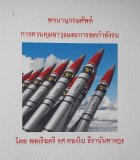
พจนานุกรมศัพท์การควบคุมอาวุธและลดกำลังรบ English -Thai Dictionary of Arms Control and Disarmament อ่านแบบE-Book ได้แล้วที่ meb


พจนานุกรมศัพท์การควบคุมอาวุธและลดกำลังรบ English -Thai Dictionary of Arms Control and Disarmament อ่านแบบE-Book ได้แล้วที่ meb

ร้านค้าของสำนักพิมพ์ทองใบในMeb:


Monday, July 27, 2026

#พจนานุกรมศัพท์การควบคุมอาวุธและการลดกำลังรบ Arms Control and Disarmament Dictionary วางจำหน่ายในMeb

Thumbnail Seller Link
พจนานุกรมศัพท์การควบคุมอาวุธและการลดกำลังรบ Arms Control and Disarmament Dictionary
พลเรือตรี รศ.ทองใบ ธีรานันทางกูร
www.mebmarket.com
พจนานุกรมศัพท์การควบคุมอาวุธและการลดกำลังรบ (Arms Control and Disarmament Dictionary) โดย : พลเรือตรี รศ.ทองใบ ธีรานันทางกูร คำโปรย เข้าใจ “...
Get it now
============================================ 📚 สนใจหนังสือเล่มนี้? คลิกดูรายละเอียดและสั่งซื้อ eBook ได้ทันทีผ่านลิงก์สินค้า “Get it now” หนังสือคุณภาพจากสำนักพิมพ์ทองใบ เรียบเรียงโดย พลเรือตรี รศ.ทองใบ ธีรานันทางกูร อ่านง่าย ได้สาระ ค้นคว้าอ้างอิงได้ เหมาะสำหรับนักเรียน นักศึกษา นักวิชาการ และผู้สนใจทั่วไป Hashtag แนะนำ #ร้านหนังสือสำนักพิมพ์ทองใบ #Ebookไทย #หนังสือดีบอกต่อ #หนังสือออนไลน์ #MebMarket #อ่านหนังสือ #รักการอ่าน #พัฒนาตนเอง #ความรู้รอบตัว #พระพุทธศาสนา #ประวัติศาสตร์ #เศรษฐศาสตร์ #หนังสือวิชาการ #หนังสือสารคดี #Ebookน่าอ่าน #หนังสือขายดี #หนังสือแนะนำ #BookLover #ThaiEbook #KnowledgeIsPowe

Sunday, July 19, 2026

#พจนานุกรมฉบับปรับปรุง คำศัพท์ "Arms Control: Helsinki Accord"


นี่คือการปรับปรุงและสร้างความทันสมัยให้กับเนื้อหาพจนานุกรมคำศัพท์ "Arms Control: Helsinki Accord" โดยปรับสำนวนให้เป็นภาษารัฐศาสตร์ร่วมสมัย เพิ่มเติมผลกระทบระยะยาวที่นำไปสู่การล่มสลายของสงครามเย็น และบริบทของสถาบันที่สืบทอดมาจนถึงโลกยุคปัจจุบันครับ

Arms Control: Helsinki Accords การควบคุมอาวุธ: ข้อตกลงเฮลซิงกิ

ข้อตกลงทางการทูตครั้งประวัติศาสตร์ที่ลงนาม ณ กรุงเฮลซิงกิ ประเทศฟินแลนด์ เมื่อปี ค.ศ. 1975 ในช่วงสิ้นสุดการประชุมว่าด้วยความมั่นคงและความร่วมมือในยุโรป (Conference on Security and Cooperation in Europe - CSCE) ข้อตกลงนี้เป็นที่รู้จักอย่างเป็นทางการในชื่อ "กรรมสารสุดท้ายเฮลซิงกิ" (Helsinki Final Act) ลงนามโดยผู้นำจาก 35 ประเทศ ประกอบด้วยชาติตะวันตกในองค์การนาโต (NATO) ชาติตะวันออกในกติกาสัญญาวอร์ซอ (Warsaw Pact) รวมถึงรัฐเป็นกลางและรัฐไม่ฝักใฝ่ฝ่ายใดในยุโรป โดยมีเป้าหมายเพื่อลดความตึงเครียดของสงครามเย็น (Détente) และสร้างเสถียรภาพในทวีปยุโรป

สาระสำคัญของข้อตกลงแบ่งออกเป็น 4 หมวดหลัก ซึ่งในทางการทูตมักเรียกกันว่า "ตะกร้า" (Baskets):

  1. หมวดที่ 1 (การเมืองและความมั่นคง): กำหนดหลักการพื้นฐานในการอยู่ร่วมกันของรัฐ เช่น การเคารพอำนาจอธิปไตย การระงับข้อพิพาทโดยสันติ การยอมรับและไม่ล่วงละเมิดพรมแดนของรัฐอื่น (ซึ่งเป็นการรับรองพรมแดนในยุโรปที่เกิดขึ้นหลังสงครามโลกครั้งที่สอง) ตลอดจนการกำหนด "มาตรการสร้างความไว้เนื้อเชื่อใจ" (Confidence-Building Measures - CBMs) ทางทหาร เช่น การแจ้งล่วงหน้าก่อนการซ้อมรบ

  2. หมวดที่ 2 (เศรษฐกิจ สิ่งแวดล้อม และวิทยาศาสตร์): ส่งเสริมความร่วมมือทางการค้า เทคโนโลยี และการปกป้องสิ่งแวดล้อมข้ามพรมแดนระหว่างค่ายเสรีประชาธิปไตยและค่ายคอมมิวนิสต์

  3. หมวดที่ 3 (สิทธิมนุษยชนและมนุษยธรรม): เป็นข้อตกลงในการส่งเสริมสิทธิมนุษยชน เสรีภาพขั้นพื้นฐาน การรวมญาติที่พลัดพราก รวมถึงเสรีภาพในการเคลื่อนย้ายประชาชน ข้อมูลข่าวสาร และแนวคิดข้ามม่านเหล็ก

  4. หมวดที่ 4 (กลไกการติดตามผล): กำหนดให้มีกระบวนการพหุภาคีและจัดการประชุมทบทวนข้อตกลงอย่างต่อเนื่อง (เช่น ที่กรุงเบลเกรด ค.ศ. 1977, มาดริด ค.ศ. 1980 และเวียนนา ค.ศ. 1986)

ความสำคัญและผลกระทบเชิงยุทธศาสตร์

แม้กรรมสารสุดท้ายเฮลซิงกิจะไม่ใช่สนธิสัญญาและ ไม่มีผลผูกพันทางกฎหมายระหว่างประเทศ แต่กลับมีน้ำหนักทางการเมืองและศีลธรรมอย่างมหาศาล ในระยะแรก สหภาพโซเวียตมองว่าตนได้เปรียบทางยุทธศาสตร์จากการที่โลกตะวันตกยอมรับสถานะพรมแดนของกลุ่มประเทศคอมมิวนิสต์ในยุโรปตะวันออก แต่ในระยะยาว "หมวดที่ 3 ว่าด้วยสิทธิมนุษยชน" กลับกลายเป็นอาวุธทางการเมืองที่ทรงพลังที่สุดของฝ่ายตะวันตก

ข้อตกลงนี้ก่อให้เกิดการตื่นตัวของภาคประชาสังคมในยุโรปตะวันออก เช่น การก่อตั้งกลุ่มสังเกตการณ์เฮลซิงกิ (Helsinki Watch ซึ่งต่อมาพัฒนาเป็นองค์การสิทธิมนุษยชนระดับโลก Human Rights Watch) และกลุ่มผู้เรียกร้องประชาธิปไตย Charter 77 ในเชโกสโลวาเกีย ซึ่งใช้ข้อตกลงนี้เป็นเครื่องมือเรียกร้องและกดดันรัฐบาลคอมมิวนิสต์ของตน จนนำไปสู่การล่มสลายของม่านเหล็กในที่สุด

บริบทในยุคปัจจุบัน: กระบวนการ CSCE ที่เริ่มต้นจากข้อตกลงเฮลซิงกิ ได้รับการยกระดับและสถาปนาขึ้นเป็นสถาบันถาวรในชื่อ องค์การว่าด้วยความมั่นคงและความร่วมมือในยุโรป (OSCE) เมื่อปี ค.ศ. 1995 ซึ่งยังคงเป็นเวทีความมั่นคงระดับภูมิภาคที่ใหญ่ที่สุดในโลก

อย่างไรก็ตาม สถาปัตยกรรมความมั่นคงที่สร้างขึ้นจากกรอบเฮลซิงกิกำลังเผชิญกับวิกฤตครั้งใหญ่ที่สุดในศตวรรษที่ 21 โดยเฉพาะหลักการ "การไม่ล่วงละเมิดพรมแดน" และ "การเคารพบูรณภาพแห่งดินแดน" ซึ่งถูกท้าทายอย่างร้ายแรงจากการที่รัสเซียผนวกคาบสมุทรไครเมียในปี ค.ศ. 2014 และการรุกรานยูเครนเต็มรูปแบบในปี ค.ศ. 2022 ซึ่งถือเป็นการละเมิดเจตนารมณ์ของกรรมสารสุดท้ายเฮลซิงกิอย่างสิ้นเชิง


===============================


📚 สนใจหนังสือของสำนักพิมพ์ทองใบ  คลิกดูรายละเอียดและสั่งซื้อ eBook ได้ทันทีผ่านลิงก์ร้านขายหนังสือในMeb Market

หนังสือคุณภาพจากสำนักพิมพ์ทองใบ เรียบเรียงโดย พลเรือตรี รศ.ทองใบ ธีรานันทางกูร อ่านง่าย ได้สาระ ค้นคว้าอ้างอิงได้ เหมาะสำหรับนักเรียน นักศึกษา นักวิชาการ และผู้สนใจทั่วไป

Hashtag แนะนำ

#ร้านหนังสือสำนักพิมพ์ทองใบ

#Ebookไทย

#หนังสือดีบอกต่อ

#หนังสือออนไลน์

#MebMarket

#อ่านหนังสือ

#รักการอ่าน

#พัฒนาตนเอง

#ความรู้รอบตัว

#พระพุทธศาสนา

#ประวัติศาสตร์

#เศรษฐศาสตร์

#หนังสือวิชาการ

#หนังสือสารคดี

#Ebookน่าอ่าน

#หนังสือขายดี

#หนังสือแนะนำ

#BookLover

#ThaiEbook

#KnowledgeIsPowe